Pink and red sand stone temple About
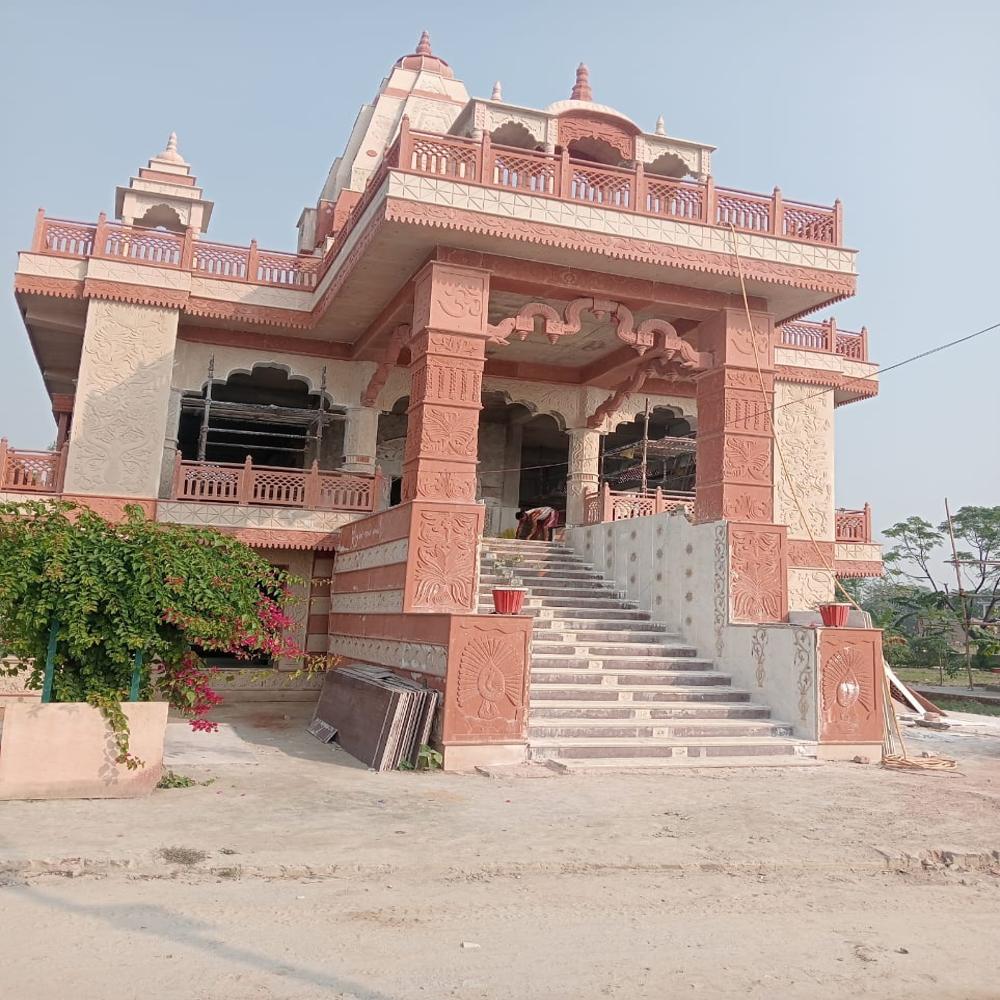
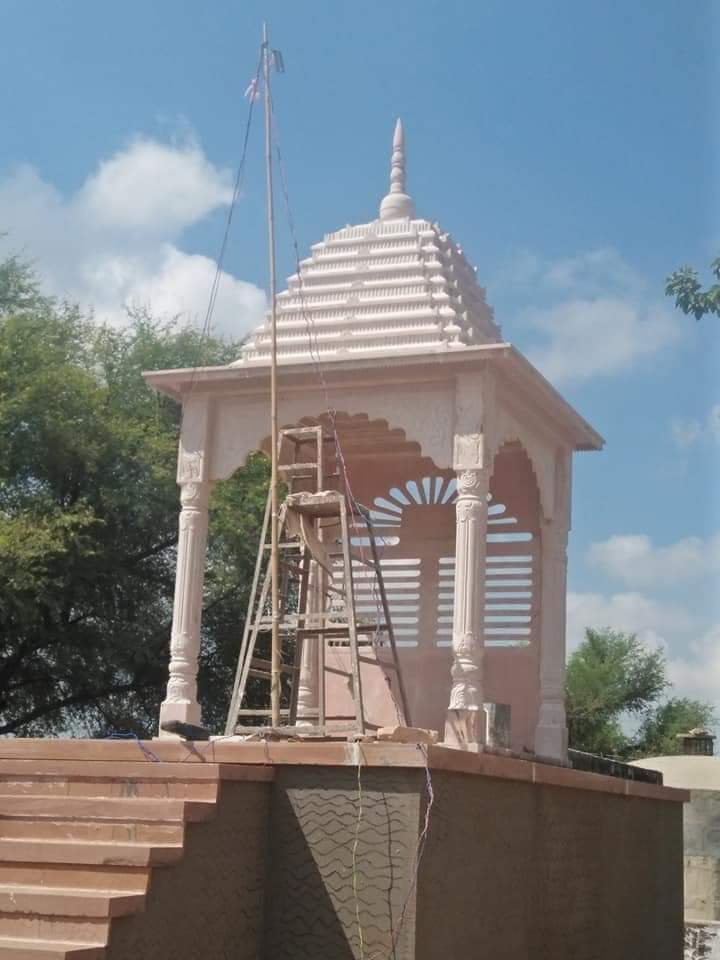
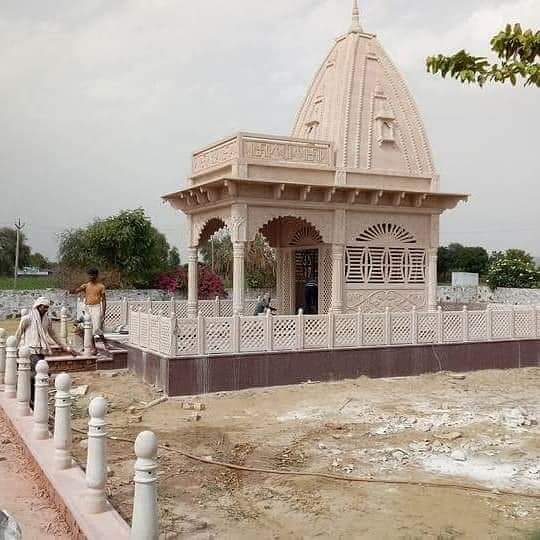
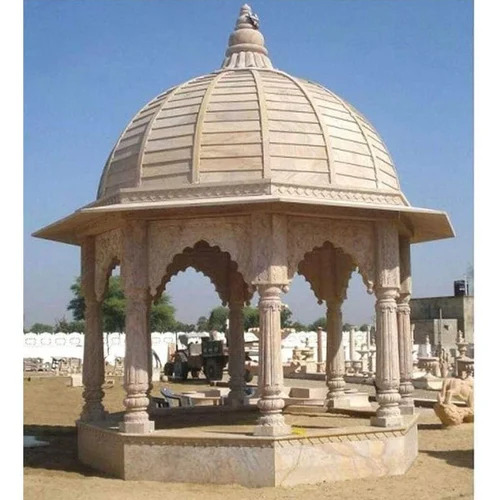
A pink sandstone chhatri is a traditional dome-shaped Indian pavilion made from natural pink Dholpur or Jodhpur sandstone. It features carved pillars, curved domes, and fine geometric or floral patterns. These structures serve as garden gazebos, memorials, or sacred temple canopies
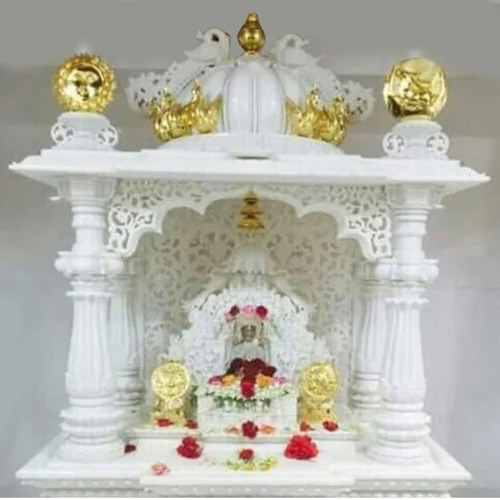
Traditional Indian Heritage DesignEmbodying Indian heritage, this temple showcases ornate hand-carved details, multi-level domes, and decorative pillars. The architecture pays homage to spiritual and cultural traditions, making it suitable for religious events and community gatherings.
Durable, Weather-Resistant StructureBuilt with high-quality natural sandstone and robust concrete methods, the temple withstands diverse climates and outdoor conditions. The weather-resistant finish ensures lasting beauty, requiring minimal upkeep for long-term installations.
Customizable for Unique SpacesTailored to project requirements, the temple can be customized in height, width, and length (approx. 25-30 feet high, 40-50 feet wide/long). Its flexible design fits temple complexes, open gardens, or dedicated spiritual sites with ease.
FAQ's of Pink and red sand stone temple:
Q: How is the pink and red sandstone temple constructed?
A: The temple is constructed using a permanent concrete and natural sandstone structure. The architectural design integrates hand-carved and machine-finished elements, including domes, pillars, wide staircases, and ornate facade panels, ensuring both resilience and artistic detail.
Q: What are the main sites suitable for installing this temple?
A: Ideal installation sites include open areas, temple complexes, gardens, and spiritual centers. Its adaptable dimensions and weather-resistant properties make it highly suitable for both public and private outdoor spaces.
Q: When is the best time to install the sandstone temple?
A: Installation can be performed year-round owing to the temple's weather-resistant materials. However, scheduling during dry weather may facilitate smoother assembly and allow finishes to set optimally.
Q: Where can this temple be utilized apart from religious worship?
A: Beyond religious worship, the temple is perfect for spiritual centers, cultural gatherings, community events, and heritage exhibitions, enhancing both significance and aesthetics in such venues.
Q: What maintenance is required to keep the temple in optimal condition?
A: Thanks to its low-maintenance design and weather-resistant sandstone, periodic cleaning with mild water and gentle detergents is sufficient. The durable structure requires minimal upkeep over its long-term outdoor use.
Q: How does the surface treatment benefit the temple?
A: Polished and matte surface options not only enhance the temple's appearance but also help protect the stone from environmental wear, making cleaning easier and preserving intricate carvings for years.
Q: What are the primary benefits of choosing this sandstone temple for outdoor settings?
A: The key benefits include high durability, a timeless traditional Indian design, low maintenance requirements, and suitability for various climates, ensuring it remains an attractive and functional focal point in any landscape.





 Send Inquiry

 Send Inquiry
 Send Inquiry
 Send SMS